
An expat therapist who comes to you, wherever you are
Maybe you're thinking something like this: I can see that my daughter is struggling. I'm not sure if it's because she's lonely, missing her oldest sister, or pre-grieving that her middle sister is leaving next year. She says she's stressed about school and I try to tell her it is going to be okay, but she's really worried about it anyway. I wanted to talk with her about how she felt after the riot where our car was surrounded, and normally she talks to me, but this time I feel stuck. She just says she is fine. She's not really herself and I'm worried about her.
And underneath it, a bigger fear: if we admit she needs help, do we have to leave? I'm Brianna White, LMFT, an expat therapist at Intrepid Counseling. I believe kids shouldn't have to fear that admitting they need help means they lose their whole world. Here's how online therapy for expats can work for your family.
What is an expat therapist?
An expat therapist works with people living outside their passport country, usually online, and understands what that life asks of you: the moves, the goodbyes, the visas, the organization, the fishbowl. Online counseling where you are means help can start right away, without packing a single suitcase.
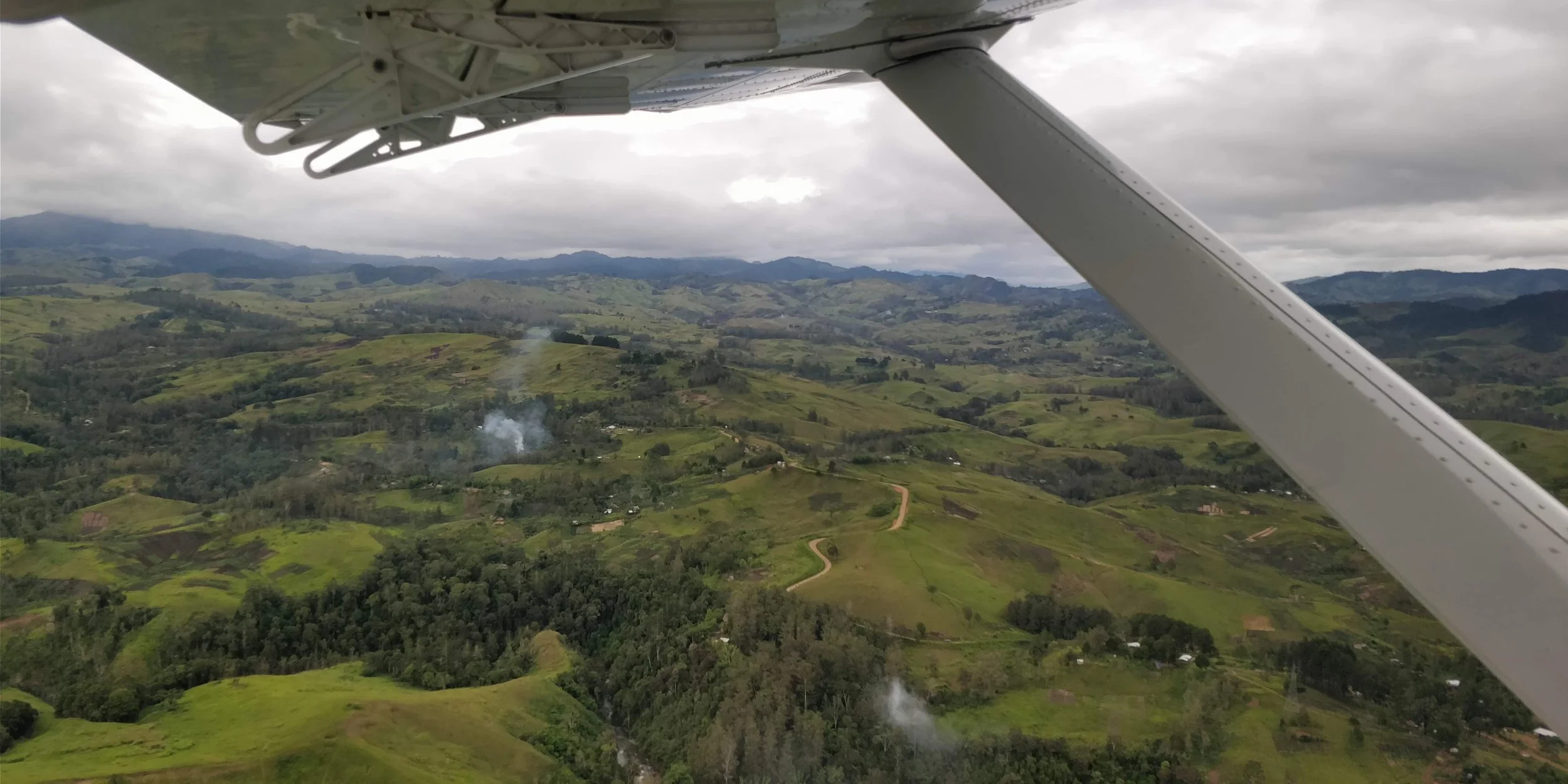
Growing up in a small missionary community in Papua New Guinea, I saw firsthand how needed, but how scarce, mental health care could be in expat communities, especially in remote places. Schoolmates kept their pain hidden to avoid being "sent home." Inevitably, the problems got worse, and I witnessed sudden evacuations of kids who never returned.
Common struggles expat families bring
School strain: A child doing second grade in a new local language after first grade in English in a different country, now demoralized and acting out.
Stacked goodbyes: Best friends moving away every summer, siblings leaving for college.
Scary events nearby: A riot, a coup, a war over the border, an evacuation that almost happened, four times.
Anxiety that's showing up in the body: Headaches, stomachaches, low energy, sleep trouble.
Isolation: No English-speaking counselor nearby, or only one who already knows everyone.
Reentry dread: Bracing for home assignment or a permanent move back.
How do I know if expat therapy is for me?
Are you waiting for it to get bad enough to justify a trip home? Let's not let things get terrible.
Does your teen want someone outside the bubble? One TCK teen told her mom, "I'll only see a counselor if you can promise me I'll never have to see them at our org's conference."
Have your usual ways of helping stopped working? That's a good moment to reach out, not a parenting failure.
Are you underestimating how big this adjustment is? Parents often are. It doesn't take much on top of a whole new country for a kid's nervous system to say "too much."
Expat families I work with
I work with North American families, teens and adults living abroad, especially in missions, NGO, aid, business and diplomatic life. Being from North America in passport terms is a boundary I keep, because it means we're likely to share assumptions about the therapy relationship, and because I can actually help you reach higher levels of care in your passport country if you ever need them.
It may not be the best fit if you're in a crisis that needs in-person care right now, or if you're located somewhere I can't legally practice. If I can't see you, I'll try to help you find someone who can.
How I work as an expat therapist
I'm not one to judge parents who live with their families in hard places. I've seen close friends go through evacuations and unwanted departures from beloved homes abroad. My job is to help you stay where you've chosen to be, whenever that's safe and possible.
We unpack what's making things hard, layer by layer, and then engineer ways to make life easier, not just tougher kids. I use CBT and Trauma-Focused CBT for kids, CETA, which was tested in Thailand and Iraq with built-in methods for cultural adaptation, and Restoration Therapy for families learning to name feelings together. For kids, I include parents, and for the youngest kids I often coach parents directly instead.
I also think about the whole system. A caring organization's protective instinct might be to "bring the family home," but unless it's necessary for safety, an international trip might just bring more stress or a loss of the support your child needs. Sometimes the right plan is a planful trip for a higher level of care: not fun, but less traumatic than an emergency evacuation. I can help you think that through.
Therapy across time zones
Since living abroad makes phone calling complicated, you start with a secure online form. We meet for a 15-minute video call, then weekly online sessions. Because my clients are spread across many time zones, I can often offer after-school times. If your connection drops, we'll have backup plans.
Getting started from abroad
Reach out through the secure form and tell me where you are.
Request an intro call so I can check that I can legally see you there, and make sure I have the right expertise for all your needs.
Start online sessions from wherever your family is.
About your expat therapist
I grew up in Papua New Guinea, a place where needing a hospital for a mental health crisis could mean a one-way trip across the globe. That's why early intervention matters so much to me. I've seen TCK clients online since 2019, I'm licensed in Washington and Georgia, and I work with international clients case by case. TCKs deserve mental health care where they are.
What expat families work on
Preventing a crisis move: Getting help early so you can stay put if that's what's best, or, if it's not, so you can time your travel rather than need an evacuation.
Planning a transition well: Home assignment, reentry, college, a move to a new post.
We can also work on processing scary events abroad, school and language stress, family communication across the stress, life as a missionary family, and your TCK's identity.
Tips if you're struggling right now
Rule out the body. In some places, a "mental health" problem turns out to be a parasite, low iron, vision, or hearing. A checkup might take some effort and special travel arrangements, but it is worth it.
Stretch out transitions. If you're moving, calendar the big events of a goodbye process so six big ones don't land in the same week.
Build a Who For What list. Who can you call for a ride, a doctor, a place to stay, a culture interpreter?
Keep routines where you can. What stays the same tells kids what a move can't change, and what a trauma doesn't get to mess with.
FAQ about therapy for expats
Can I see a U.S. therapist while living abroad? Often yes. In the U.S., what matters is where your body is during the session. Many countries don't regulate incoming online therapy the same way, so it's frequently possible, but I check your location case by case.
Does online therapy work for kids and teens? Yes, with some creativity and the right tech. For young children I often work through parent coaching instead.
What if we're in a different time zone? That often helps. I can see clients during their afternoon while it's my morning.
Will my organization find out? No, not unless you choose to share it or there's a legal safety exception. I work independently, outside any sending organization.
Can insurance cover therapy abroad? I'm out of network and can give you a superbill. Some international clients have been reimbursed at the in-network level when no local provider was available.
Help can start where you are
If you're ready to work with an expat therapist, request an intro call. Not ready yet? You can still request an intro call and ask about your location first.