
Trauma therapy and PTSD therapy that helps you feel safe again
Maybe your teen panics every time she gets behind the wheel, and you wonder if it's just nerves, or if it's connected to the day rioters surrounded your car. She doesn't want to talk about it. Or maybe it's you, and you keep telling yourself, "That doesn't count, because it wasn't actually..." or "What happened to us wasn't nearly as bad as what happened to them," or "But God kept us safe." Still, you're not sleeping, you're jumpy, and you're not quite yourself.
I'm Brianna White, LMFT, and I provide trauma therapy at Intrepid Counseling for kids, teens, adults and families. Before working in private practice with TCKs, I spent six years at a Child Advocacy Center, where all of my clients were kids recovering from sexual abuse trauma. The training I received and the ability to focus on trauma care allowed me to gain a deep understanding of the way the trauma response pattern feels and works. I'm certified in Trauma-Focused CBT for kids, and Cognitive Processing Therapy, which is designed for adults. Below I'll explain what trauma does, how PTSD therapy helps, and what working together looks like.
What is trauma therapy?
Trauma therapy helps you heal from an experience that was terrifying or horrifying and overwhelmed your ability to cope. It doesn't have to be something that happened to you. Being scared for your life, or for someone close to you, is enough.
I like to say trauma is an injury, not a mental illness. Someone impacted by trauma is not crazy. It's a lot like a broken bone. Sometimes it's obvious, sometimes it isn't. Sometimes it comes from a dramatic event, other times from something unexpectedly ordinary, like stepping down a stair wrong. And like bones, some trauma heals on its own and some needs specialized care. You can't tell which just from hearing about the event. Some people need to tell their story, others can skip the details, but we need to talk about how what happened impacted how you are doing now.
Posttraumatic stress is what it looks like when your survival systems get stuck in the on position. It's like you can't find the button to turn off the smoke alarm. Imagine it going all day for weeks. You wouldn't sleep. You'd be distracted and irritable, you'd keep thinking about what happened, and eventually you'd feel hopeless about ever getting quiet again.
Common symptoms of trauma and PTSD
Re-experiencing: Nightmares, or pictures that pop into your head. "I can't get that picture out of my head."
Avoidance: Steering clear of places, people, even foods that bring the memories back. If you can't avoid it, you might be unaccountably distressed when you have to face it. For example, kids might fight the car seat after a car accident.
Changes in mood and thinking: "I'm bad," "No one can be trusted," "The world isn't safe."
Hyperarousal: Jumpy, on red alert, trouble focusing or falling asleep, quick to anger.
Shutting down: Numb, flat, quiet. This one is easy to miss, and can look like depression.
In young kids: Bad dreams and replaying the event in play.
How do I know if I need trauma-focused therapy?
Has it been more than a month? Intense reactions are normal in the first four weeks. If you or your child aren't clearly getting back to yourselves by week five, it's time to get help. On the other hand, there's no such thing as too soon to have support.
Is avoidance growing? Avoiding stuff is a coping tool that expands, making more and more things that are just challenging feel dangerous.
Is it messing up daily life? School, work, sleep, fun, friendships, faith.
Is the past coming back now? Sometimes, when there are finally no transitions ahead, the mind decides it's time to deal with it all. It's quite common for emotions to bubble up from the distant past, signaling you might be ready now to process traumatic things that happened. It's normal for TCKs' lives to be so fast-paced that quite a lot builds up before you finally can slow down to process it all. A lot of my clients find me in that sort of time.
Who trauma therapy is for
Trauma therapy here is important for children, teens and adults recovering from sexual abuse, violent crime, car accidents, natural disasters, war, evacuations, riots and other frightening events at home or abroad. It's also for adults living with "mundane trauma," the hard things that were just how it was, like oppression, systemic injustice and bearing witness to the suffering of others.
It may not be the best fit if you're in immediate danger or need a higher level of care right now. Safety comes first, and I'll help you find the right support.
How I approach trauma therapy
Healing is about reclaiming your ability to feel safe. I help culturally complex people write their traumatic experiences, and the places they have loved, into a life story they can be at peace with.
The first step is safety now. Then we work on understanding the trauma injury, building calming skills, and gently facing the memories at a pace you control. You stay in charge of what you share and how fast. Being confident that the bad feelings won't be too overwhelming, and won't stay forever, is what defeats avoidance. Facing the memories defeats the fear they can spark.
For PTSD treatment I use evidence-based approaches I'm certified in: Cognitive Processing Therapy (CPT) for adults, Trauma-Focused CBT for kids and teens, and CETA (the Common Elements Treatment Approach) when trauma, anxiety and depression show up together. CPT helps untangle thoughts that keep you feeling threatened by an event that is in the past. For example, if you're trying to stop blaming yourself, forgiveness actually starts with blame, assigning accountability accurately, taking it from where it doesn't belong, and putting it where it does.
With kids, I always involve parents. Kids' behavior is communication about what they need. When my son was three, we had a car accident, and for a while he would kick and scream about his car seat. My husband guessed the connection, and retold the story to him, all the way through to how we were all okay now, and breathed calmly with him while buckling. After a few repeats, the avoidance went away. Parents can do a lot, with the right map.
What trauma therapy looks like
We begin with a 15-minute video call. At intake, I use simple screening tools, like the PTSD Symptom Scale and the Child and Adolescent Trauma Screen, so we can measure progress together. How long trauma treatment takes depends on how extensive the injury is and your support. A typical trauma treatment program for kids runs about 12 to 25 sessions, weekly, in person or online. It usually takes longer if the traumatic event(s) took out a lot of your life stability. It's often a quicker road to recovery if the trauma left your support system intact.
Starting at your pace
Reach out. Let me know the type of trauma, in a sentence or so, and maybe another sentence or two about how it's impacted you. I know it's hard to talk about and details come much later in the process, only when you're ready.
First session: safety, goals, and how we'll pace the work.
About your trauma therapist
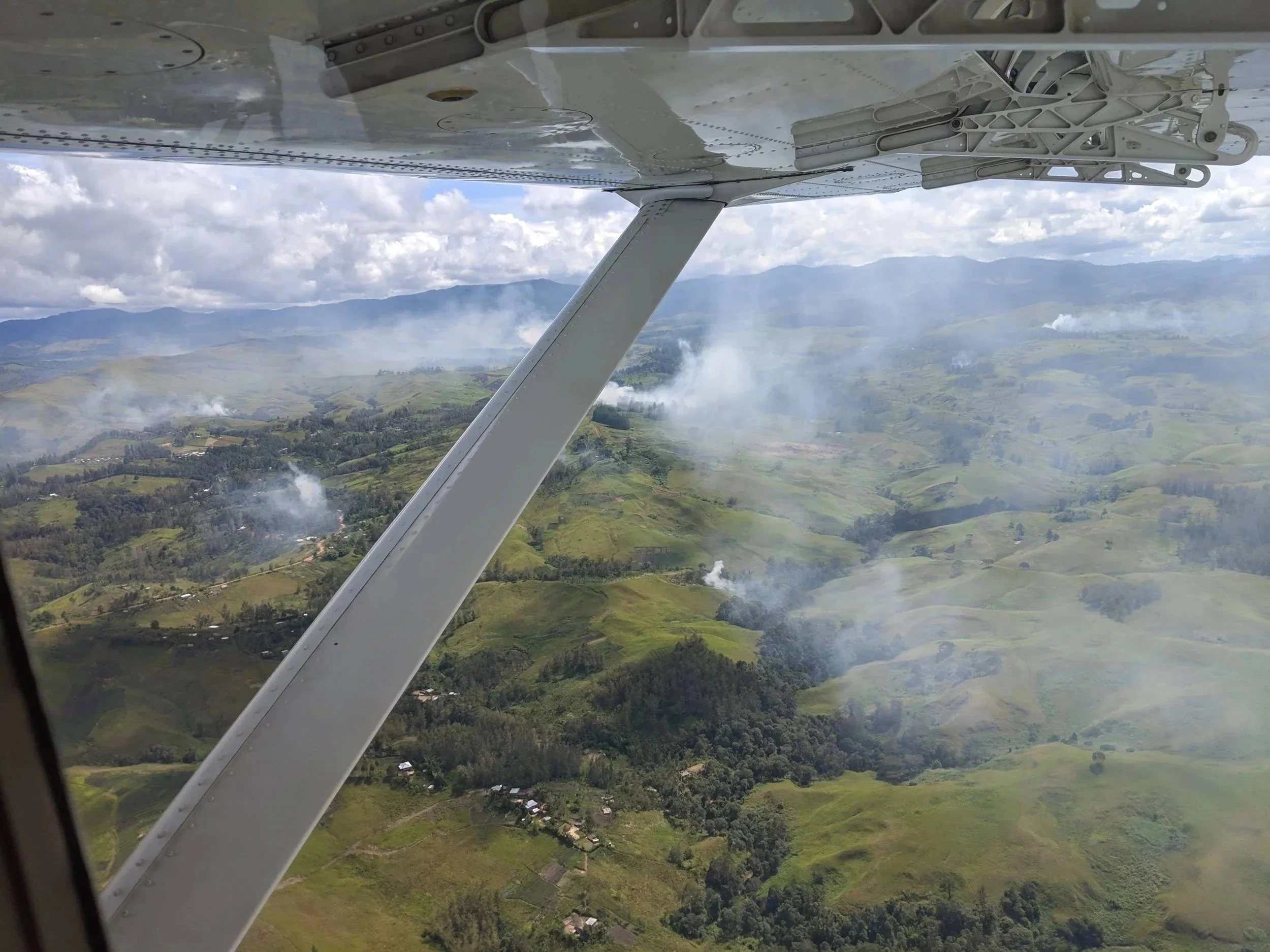
I spent six years at a Child Advocacy Center working with children and teens recovering from sexual abuse and serious physical abuse, alongside forensic nurses, advocates and detectives. I love making sure my clients are connected to all the right people who can help. I grew up in Papua New Guinea, where my village was destroyed by a tsunami, so I don't scare easily, and I know hard things happen to good people.
What we can work on after trauma
Sleeping through the night again.
Reclaiming places and things trauma tainted.
We can also work on anxiety that came after the event, grief tangled up with trauma, trauma from life abroad, helping the whole family heal, a recent scary event for your child, and old trauma surfacing once life slows down.
Tips if you're struggling right now
Plan a break, and plan your way back. When memories feel like too much, tune into your senses, step out for a minute, then return by noticing the room and the people with you.
Try 5, 4, 3, 2, 1. Notice five things you see, four you hear, three you can touch, two you smell, one you taste.
Shrink the picture. Imagine the memory on a big TV, on a cart pulled by a donkey (the donkey is because laughing is good for disconnecting from icky thoughts). Now imagine the donkey pulling the cart is walking away and that TV with the icky pictures is getting smaller. Then a couple of giraffes struggle to work the remote, but they finally manage to put something calm on a projector in front of you, that's as big as the street. If it helps, being silly about how we locate what was sad or scary in the past, helps us remember in our bodies that we're safe in this moment. If it seems disrespectful, the animals aren't necessary for this imagery technique.
Keep routines. What stays the same tells kids what trauma didn't get to change.
FAQ about trauma therapy and PTSD treatment
What is the most effective therapy for trauma? Trauma-focused approaches like CPT, TF-CBT and EMDR have strong research support. The best one fits your age, story and goals.
What does PTSD look like in kids? Nightmares, clinginess, irritability, trouble focusing, avoiding reminders, and replaying the event in play. It can be mistaken for ADHD.
Can PTSD go away without therapy? Sometimes. Many people recover with time and support. Sometimes it doesn't heal on its own, though. If symptoms are still disrupting life after about a month, therapy helps a lot.
What is Cognitive Processing Therapy? CPT is a structured, evidence-based PTSD therapy that helps you notice and rework ways of thinking that keep past trauma feeling current, and make it so hard to feel safe.
Do I have to talk about every detail of what happened? No. You stay in charge of what you share and how fast. We build skills first.
You can feel safe in your story again
If you're ready for trauma therapy, request an intro call. Questions first is fine. Request an intro call and ask away.