

Be yourself here.
A family therapist for TCKs and globally mobile families
Bring the whole story, complications included.
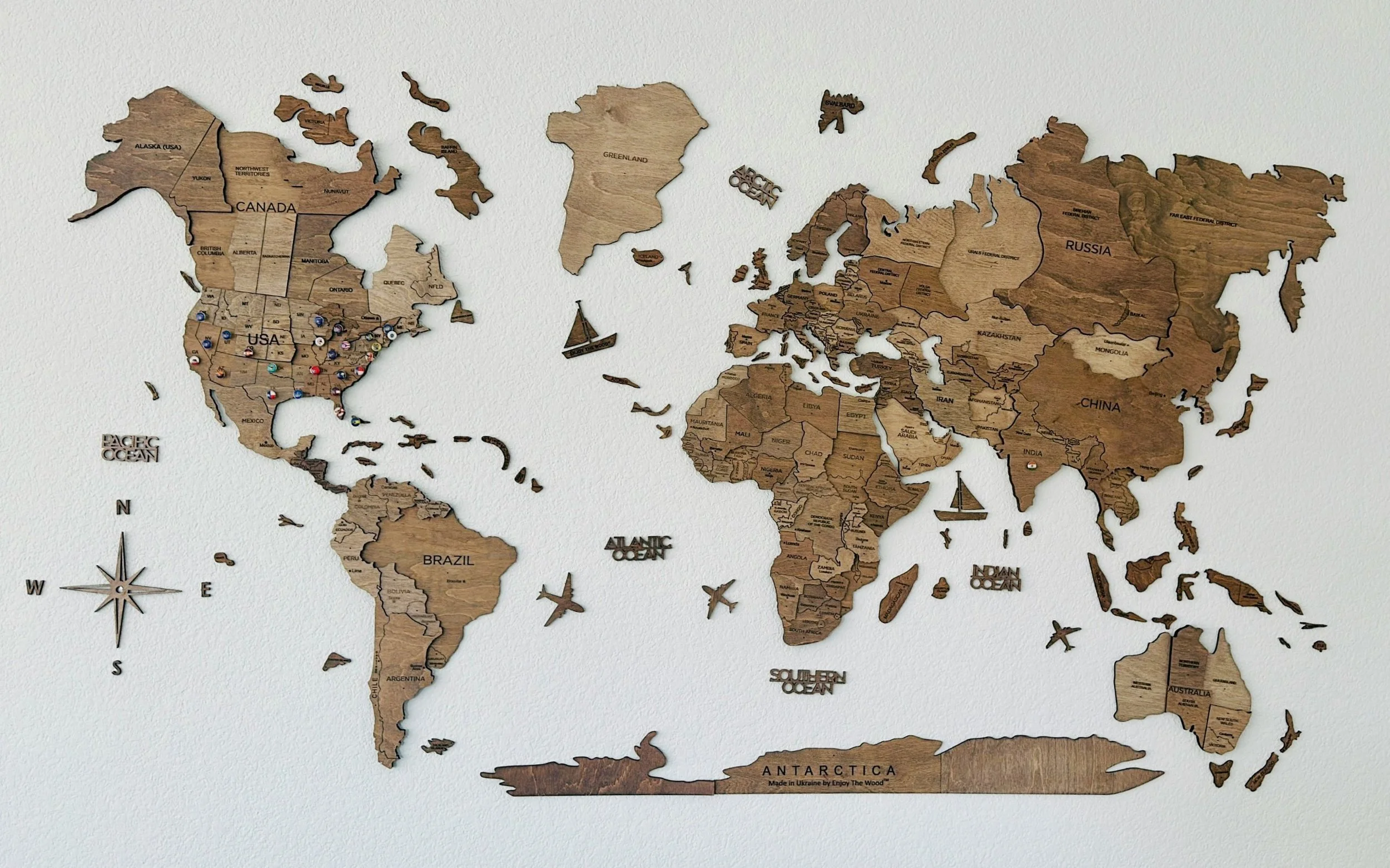
“Where are you from?” is never a quick question for a TCK. You run the numbers in a second: the one-word answer, the passport answer, the where-I-lived-longest answer, or the whole true story, which takes about forty minutes and a map. Most TCKs get good at sizing up how much to say, because the full version can overwhelm a person or turn a friendly chat into an awkward silence. You don’t have to do that math here. Bring whichever version you want, in whatever order it comes out, and I’ll keep up.
Does any of this sound familiar?
If you’re an adult Third Culture Kid (TCK)
Raising kids in a country you didn’t grow up in has stirred up questions you thought you’d outgrown.
You’ve gotten good at the short answer to “Where are you from?” It keeps things easy for everyone except you.
You found a box of letters from boarding school friends and cried harder than you expected, over people you haven’t seen in years.
You’re the capable one, so you handle it yourself. Lately you feel restless, a little discontent, and less sure of yourself than you used to.
If you’re the parent of a TCK teen, or a TCK teen yourself
A lot of goodbyes have piled up in a short time, and the social anxiety that used to be manageable is coming back.
Panic hits before the car has even left the driveway, and the long list of things you’re “supposed to just do” has you hiding in your room.
You can’t tell whether it’s anxiety, depression, or something connected to a frightening day back home that doesn’t get talked about.
You want to help without pushing too hard, and you’re not sure where that line is.
If any of this sounds like you: nothing is wrong with how you work. Here, you don’t have to explain it all before you get help with it. Let’s meet to talk about how I can help.
What makes this so hard
Growing up across worlds is never “just a move.” Adjusting to a whole new country is a huge load for a nervous system, and it doesn’t take much on top of that for your mind and body to say “too much.”
Most TCKs get through by adapting fast and handling things on their own. That’s a real skill, and it kept you going. It can also hide how hard things were, which is why so many globally mobile people wait years to ask for help. The grief and stress often show up later, with a move back, a new baby, or the first quiet moment in a long time.
It’s also easy for hard feelings to go unnoticed. Life abroad tends to look glamorous from the outside, so real struggle is harder to name. People who love you may have wanted you to be okay so much that “you’ll make new friends” was the only thing they knew to say. And the help that comes with a move is often about logistics, not what it feels like inside.
You don’t have to explain it all first.
Bring whichever version of your story you want, in whatever order it comes out, and I’ll keep up. We can start wherever you are.
Individual and Family Therapy for Culturally Complex People

Teens
Being a TCK teen means building an identity while the ground keeps moving, and with the right company it can be one of the most interesting parts of growing up. Together we look at how your story has shaped you and where you fit in a big, global group of TCKs who get it, so becoming yourself feels more like discovery than confusion. Starting early, while you’re still finding your footing, helps the next move or goodbye feel like an adjustment you can handle, and parents are welcome to be part of the process.

Kids
Big changes bring big feelings, and kids often notice them in their bodies first, like a tight stomach, a racing heart, or a sudden need to hide. With diagrams, word banks for big feelings, and a good dose of humor, kids learn what anxiety is doing in their bodies and trust that they can ride it out. Starting early, while a move or a goodbye is still new, gives families tools before the hard moments pile up, and for the youngest children I coach parents to use those tools at home.
Adults
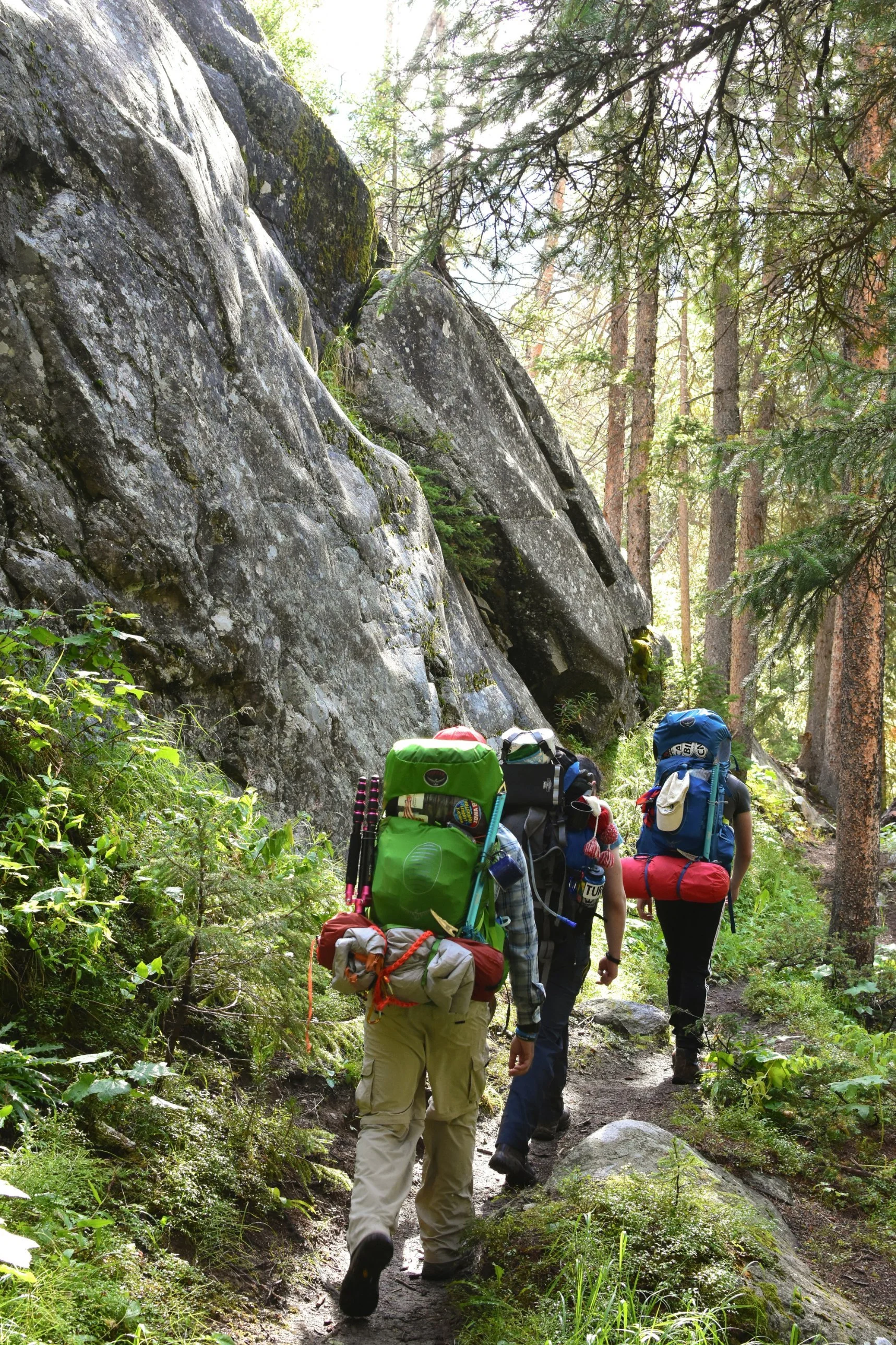
A move, a new baby, a return to the U.S., or the moment life finally slows down can bring old grief and hard experiences to the surface at odd moments. Together we weave that grief and trauma into a life story you can live with, so you can make peace with the places and people you left. You don’t need a rough patch to begin, so whether you’re in the middle of a big change or finally have room to breathe, curiosity about your own story is reason enough.

Specialties
Some stories come with their own set of questions. Read more about the people and challenges I work with most often.
TCK Therapist
For Third Culture Kids of every age who are tired of explaining their childhood.
Therapy for Missionary Kids
For MKs and the families who serve overseas.
Child Therapist
For kids with big feelings and real strengths, with parents involved.
Teen Counseling
For teens who are carrying a lot, with parents looped in.
Therapy for Adults
For when life finally slows down and the past catches up.
Multicultural Therapy
For people who carry more than one culture inside.
Expat Therapist
Online therapy for North American families and adults living overseas.
Christian Therapist
Room for your faith and your questions.
Grief Counseling
For the losses nobody sends flowers for.
Anxiety Therapist
For when everything feels like too much.
Trauma Therapy
Gently paced care for hard memories, from home or abroad.
Depression Therapy
For when you've been "fine" for too long.
What working together looks like
1. Request your free consultation call. We’ll meet for about 15 minutes to talk through what you need and how I can help. If we agree it’s a good fit, we’ll use another 10 to 15 minutes to set up the logistics of getting started, like paperwork, directions to the office, or how we’ll meet online.
2. Set up your secure portal. I’ll send you a link to register for my telehealth portal. There you can message me securely, check the calendar for your next session, get your session link for video visits, and receive invoices after each session.
3. Begin with a longer first session. Your first session may run 60 to 90 minutes, rather than the usual 45 to 55. We’ll talk through your background, your strengths, and what you hope will change as a result of our work.
4. Meet weekly, toward your goals. We usually meet weekly, working on your goals until you feel confident you’ve reached them, or you’re clearly on your way.
Fees and Payment
Individual and Family Therapy
Online or in person, this is your time to think out loud with someone who already knows the backstory. We usually meet weekly, which gives us room to get curious, try things, and make real progress, and I include parents when I work with kids and teens.
Session rates
Intake mental health assessment (one time): 60 to 90 minutes | $300
Regular sessions: 45 to 55 minutes | $175
Direct pay and billing
I work on a direct-pay basis only, which means I don’t bill insurance companies. I send an invoice through your secure portal after each session.
Superbills for out-of-network reimbursement
If your insurance plan covers out-of-network therapy, I’m happy to send you a superbill, a detailed receipt you can submit to your insurer. Coverage varies by plan, so it’s worth checking with your insurance company.
Discount for missionaries and non-profit global workers
If you live abroad and work for a nonprofit, ask about my discount for missionaries and other global workers.

Meet your therapist
Brianna White, LMFT, Child Mental Health Specialist
and Adult Third Culture Kid
I’m Brianna White, a Licensed Marriage and Family Therapist in Washington State and Georgia, and a Third Culture Kid myself, raised in Papua New Guinea by missionary Bible translators. I offer trauma-informed, culturally humble therapy online and in person for TCKs, teens, kids, and families facing anxiety, grief, and major life transitions, drawing on my master’s training in marriage and family therapy and six years at a Child Advocacy Center. My approach is curious, determined, and a little nerdy, and whether faith is your anchor, your question mark, or somewhere in between, you’re welcome here and you don’t have to explain your background first.
Frequently Asked Questions
-
Your first session is a 60- to 90-minute intake assessment, which is $300. Regular sessions run 45 to 55 minutes and are $175. If you live abroad and work for a nonprofit, ask about my discount for missionaries, volunteers and non-profit sector cross-cultural workers.
-
I work on a direct-pay basis, so I don’t bill insurance companies. If your plan covers out-of-network therapy, I’m happy to send you a superbill, a detailed receipt you can submit to your insurer for possible reimbursement. Coverage varies by plan, so it’s worth checking with your insurance company. At your free consultation, we can talk through it in detail how we’ll handle your situation.
-
Both. My office is in downtown Edmonds, Washington. I also meet online with clients in Washington and Georgia, and with international clients on a case-by-case basis.
-
Kids, teens, adults and families, with no minimum age. I include parents when I work with kids and teens, and for the youngest children I often coach parents how to use the tools at home instead of working with the child directly.
-
Request a free consultation call. We’ll meet by video for about 15 minutes to talk through what you need and how I can help. If I’m not the right person, I’ll do my best to get you to the right person.
Questions before getting started? Get in touch.
Looking for support beyond therapy? Browse my TCK and parent resources.